July 2026 | FIFA World Cup 2026 Longevity
For a full month, the world stood united in celebration of the 2026 FIFA World Cup. As the final whistle blew, a wave of nostalgia swept across global audiences. This tournament did not merely crown a champion—it marked the closing chapter of an extraordinary generation of athletes while simultaneously revealing a profound shift in human performance.
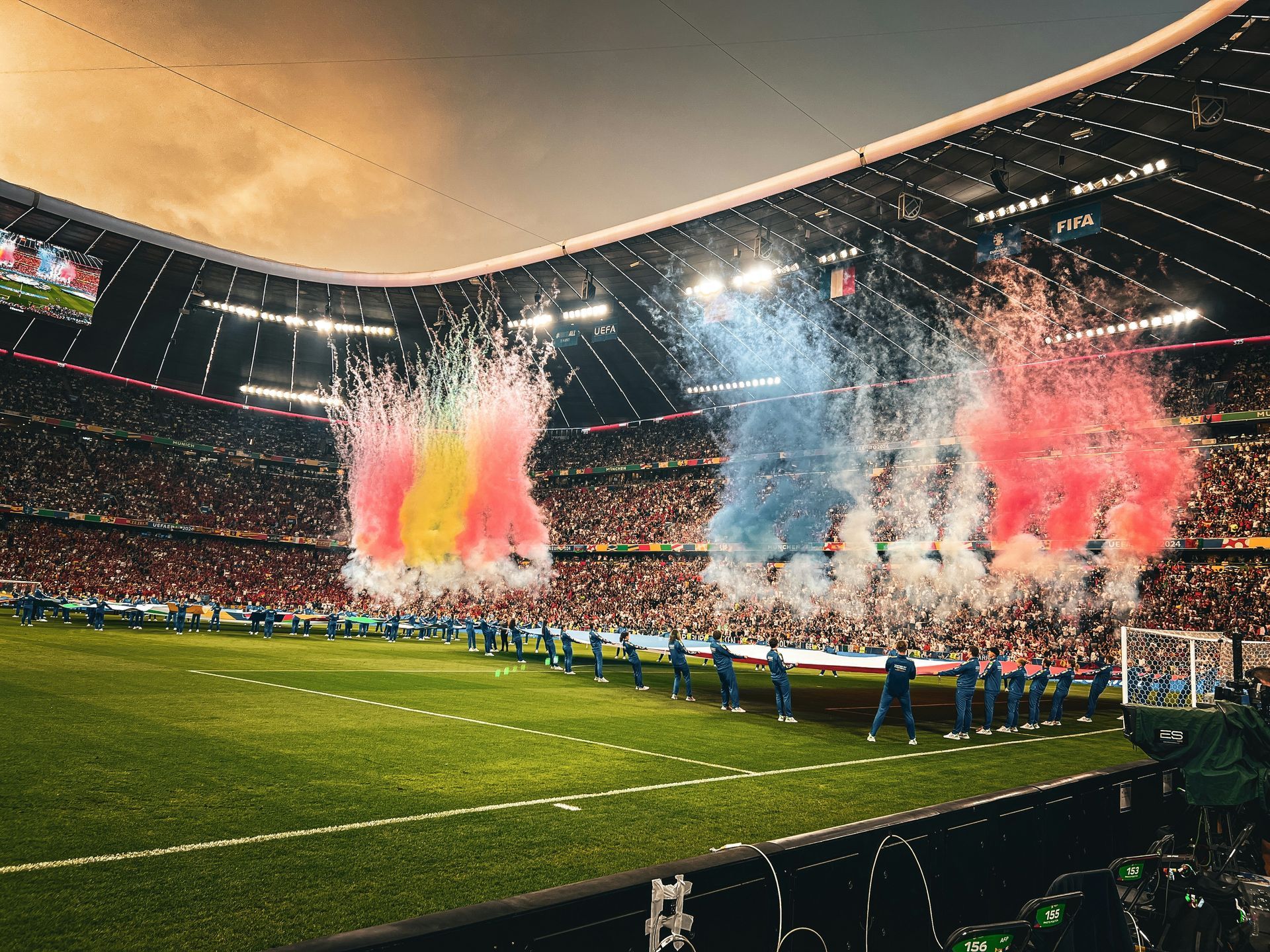
We witnessed what may be remembered as the “last dance” of some of the greatest footballers in history: Cristiano Ronaldo, Lionel Messi, Luka Modrić, Mohamed Salah, Manuel Neuer, and Romelu Lukaku, among others. Their sustained excellence well into their late 30s, and in some cases beyond. Signals a fundamental evolution in athletic longevity.
At the same time, the tournament showcased unexpected brilliance. Players such as Vozinha of Cape Verde, competing at the age of 40, left a profound and almost inexplicable sense of admiration worldwide. Representing a small island nation, he stood against global football giants with dignity and resilience, guiding his team through the tournament with remarkable success. His performance embodies a new paradigm: athletic excellence is no longer strictly constrained by age.
This convergence of experience and innovation highlights a critical shift: humanity’s lifespan, healthspan, and “peakspan”—the years during which individuals perform at their highest level—are expanding.
The Science of Longevity in Elite Sport
The concept of “peakspan” is gaining traction in sports science. Traditionally, peak performance in football was believed to occur between ages 24 and 29. However, recent data challenges this assumption.
A 2023 study published in The Journal of Sports Sciences found that elite footballers are maintaining top-level performance up to ages 33–36, with some outliers extending beyond 38. Similarly, research from The British Journal of Sports Medicine highlights that advances in recovery, nutrition, and load management have significantly delayed physiological decline.
As sports scientist Dr. James Morton (former Head of Nutrition at Liverpool FC) explains:
“Modern athletes are not just training harder—they are recovering smarter. The gap between chronological age and biological age is widening.”
1. Sleep and Recovery: The Non-Negotiable Foundation
Among all performance variables, sleep remains the most powerful—and most accessible.
According to the Stanford Sleep Research Center, extending sleep to 8–10 hours per night can improve reaction time, sprint performance, and accuracy by up to 10–15%. Sleep is also directly linked to hormonal balance, muscle repair, and cognitive clarity.
Cristiano Ronaldo has frequently emphasized structured sleep routines, reportedly incorporating multiple sleep cycles per day under guidance from sleep expert Nick Littlehales.
Key principles include:
- Consistent sleep timing (ideally aligned with circadian rhythms)
- Reduction of blue light exposure before bed
- Minimization of cognitive overstimulation (e.g., digital overuse)
Advanced recovery technologies—such as hyperbaric oxygen therapy (HBOT), cryotherapy, and red light therapy—are increasingly used by elite athletes. A 2020 review in Frontiers in Physiology suggests HBOT can enhance tissue repair and reduce inflammation, though accessibility remains limited outside elite environments.
2. Precision Nutrition: Fueling Longevity
Nutrition has evolved from generalized guidelines to highly personalized protocols.
The Mediterranean diet—rich in olive oil, fish, vegetables, and antioxidants—has consistently been associated with reduced inflammation and improved cardiovascular health. A landmark study in The New England Journal of Medicine (Estruch et al., 2018) demonstrated a ~30% reduction in major cardiovascular events among individuals following a Mediterranean dietary pattern.
This approach aligns closely with the nutritional strategies of top European teams.
During international tournaments, many national squads transport their own chefs and ingredients. As noted by performance nutritionist
Dr. Ron Maughan:
“Elite athletes minimize variability. Consistency in nutrition is as critical as consistency in training.”
Key nutritional themes observed among elite teams include:
- High-quality protein sources (e.g., grass-fed meat, fish)
- Omega-3 fatty acids for inflammation control
- High intake of polyphenols (olive oil, fruits, vegetables)
- Strict control of processed foods and sugar
Spain’s success in 2026 reinforces this model. The country’s deep-rooted adherence to Mediterranean principles may represent a structural advantage in producing resilient, high-performing athletes.
Undoubtedly, we can all acknowledge that the most impactful long-lasting football players have been deeply shaped by their experience in Spain. And who knows—technology and science may yet extend the peak years of our football stars even further.
3. The Ultimate Differentiator: Consciousness and Cognitive Mastery
Beyond physiology, the 2026 World Cup underscored a less visible but equally decisive factor: consciousness.
Elite performance is increasingly understood as a cognitive and emotional discipline. Neuroscientific research from Nature Reviews Neuroscience indicates that decision-making speed, emotional regulation, and attentional control are critical determinants of high-level performance.
Psychologist Dr. Mihaly Csikszentmihalyi, who pioneered the concept of “flow,” described it as:
“A state in which people are so involved in an activity that nothing else seems to matter.”
Flow states are now recognized as a hallmark of elite athletes. They require:
- Deep focus
- Emotional neutrality under pressure
- Intrinsic enjoyment of the moment
The 2026 Spanish national team exemplified this balance.
Their gameplay reflected not only technical superiority but also exceptional cognitive efficiency.
Observations from the tournament reveal:
- Lower cognitive load through anticipatory play
- Superior spatial awareness and timing
- Emotional composure under high-pressure conditions
- Consistent entry into flow states during critical moments
These qualities are not incidental. They are cultivated.
La Masia: Engineering the Champion Mindset
Spain’s dominance cannot be understood without examining its developmental ecosystem—most notably La Masia, FC Barcelona’s renowned academy.
La Masia emphasizes not only technical skills but also decision-making, positional intelligence, and psychological maturity from an early age.
A report by UEFA’s Technical Observatory highlights that players trained in structured cognitive environments demonstrate significantly faster decision-making speeds and higher tactical adaptability.
Over decades, this system has produced players capable of sustaining excellence under pressure—contributing to Spain’s continued success on the global stage.
A New Frontier: Extending the Peakspan
The 2026 World Cup may ultimately be remembered as a turning point.
We are entering an era where:
- Athletic careers are extending beyond historical limits
- Performance is increasingly data-driven and personalized
- Mental and emotional mastery are as critical as physical ability
As Professor Yannis Pitsiladis, a leading expert in sports genomics, states:
“The future of sport lies at the intersection of biology, technology, and behavior.”
The implication is profound: peak span is no longer a fleeting phase, it is becoming a sustained state for which epigenetics is the game changer.
Disclaimer & Attribution
Image credit: Johannes Hübner
Any trademarks, company names, and brand references remain the property of their respective owners. This content is shared for informational and educational purposes only.
If you are the original creator or rights holder of any referenced material and would like it to be modified or removed, please contact us directly.